



Why Content Planning Is the Foundation of Social Media Management
Posting every day doesn’t mean you’re managing social media well.
In fact, many brands post consistently, and still see flat engagement, low clicks, and zero business impact.
The real problem isn’t effort.
It’s the lack of content planning.
Without a clear plan, social media quickly turns into a cycle of last-minute posting, recycled ideas, and guessing what might work. Content planning is what transforms social media from a daily chore into a strategic growth channel.
5 Content Planning Tips to Simplify Social Media Management
Table of Contents
Tip #1: Define Clear Content Goals Before You Post
One of the most common mistakes in social media management is posting content simply to “stay active.” While consistency matters, posting without a clear purpose often leads to wasted effort and unclear results. This is why content planning must always start with defined goals.
Every piece of content should support a specific business or brand objective. Before you write a caption or design a visual, ask yourself: what is this post meant to achieve? When content goals are clear, planning becomes more focused, and performance becomes easier to measure.
Align Content with Business or Brand Objectives
Not all content serves the same role. Some posts are designed to introduce your brand, others to build trust, and some to drive action. When content planning is aligned with your broader objectives, such as growing brand awareness, nurturing your audience, or generating leads, your social media activity starts to feel purposeful rather than reactive.
For example, a growing brand may prioritize educational or inspirational content to build visibility, while a mature business may focus more on product-driven or conversion-oriented posts. Clear alignment helps ensure your content supports where your business actually wants to go.
Understand the Difference Between Awareness, Engagement, and Conversion Content
Effective content planning recognizes that not all posts should sell.
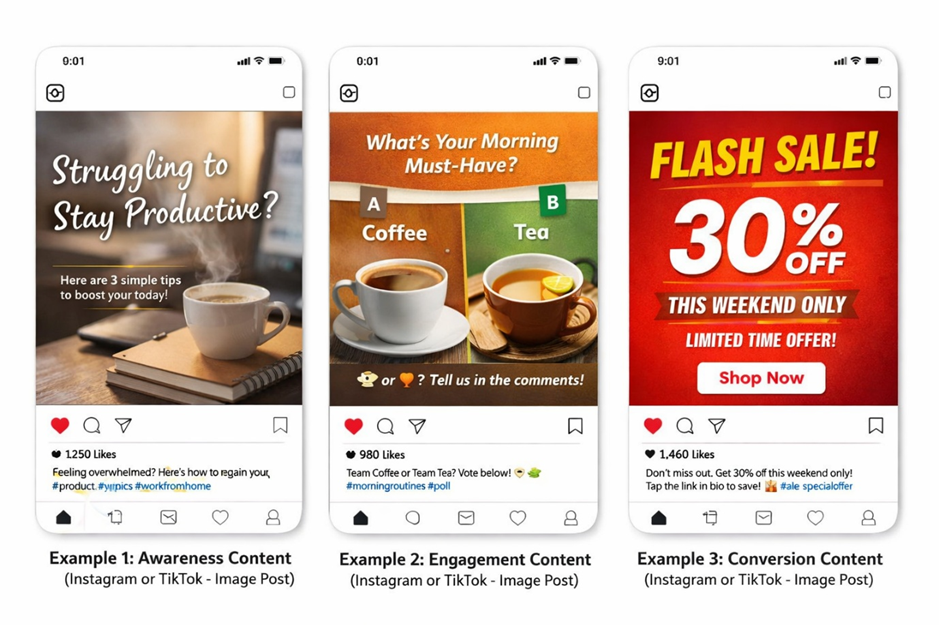
- Awareness content focuses on visibility and reach. This includes educational posts, tips, relatable insights, or trend-based content designed to attract new audiences.
- Engagement content encourages interaction. Questions, polls, carousels, and community-driven posts help build relationships and signal relevance to platform algorithms.
- Conversion content is designed to drive action—clicking a link, signing up, booking, or purchasing.
When you label each planned post by its goal, your content calendar becomes more balanced and strategic. You avoid over-selling, maintain audience interest, and guide followers naturally through the content journey.
Example 1: Awareness Content (Instagram or TikTok – Image Post)
Goal: Introduce your brand and reach new audiences
Do you struggle with managing multiple social media platforms for your brand's presence?
The Sociosight app can help you simplify the process and save you time. With Sociosight, you can publish, schedule, and monitor posts and engage with your followers across multiple social media platforms, all from one dashboard.
Get started today with a free sign-up!
Register Now for Free

The image focuses on a simple, relatable moment your audience immediately recognizes—such as a common problem they face or a behind-the-scenes snapshot of your work process. The visual is clean, emotional, and easy to understand at a glance.
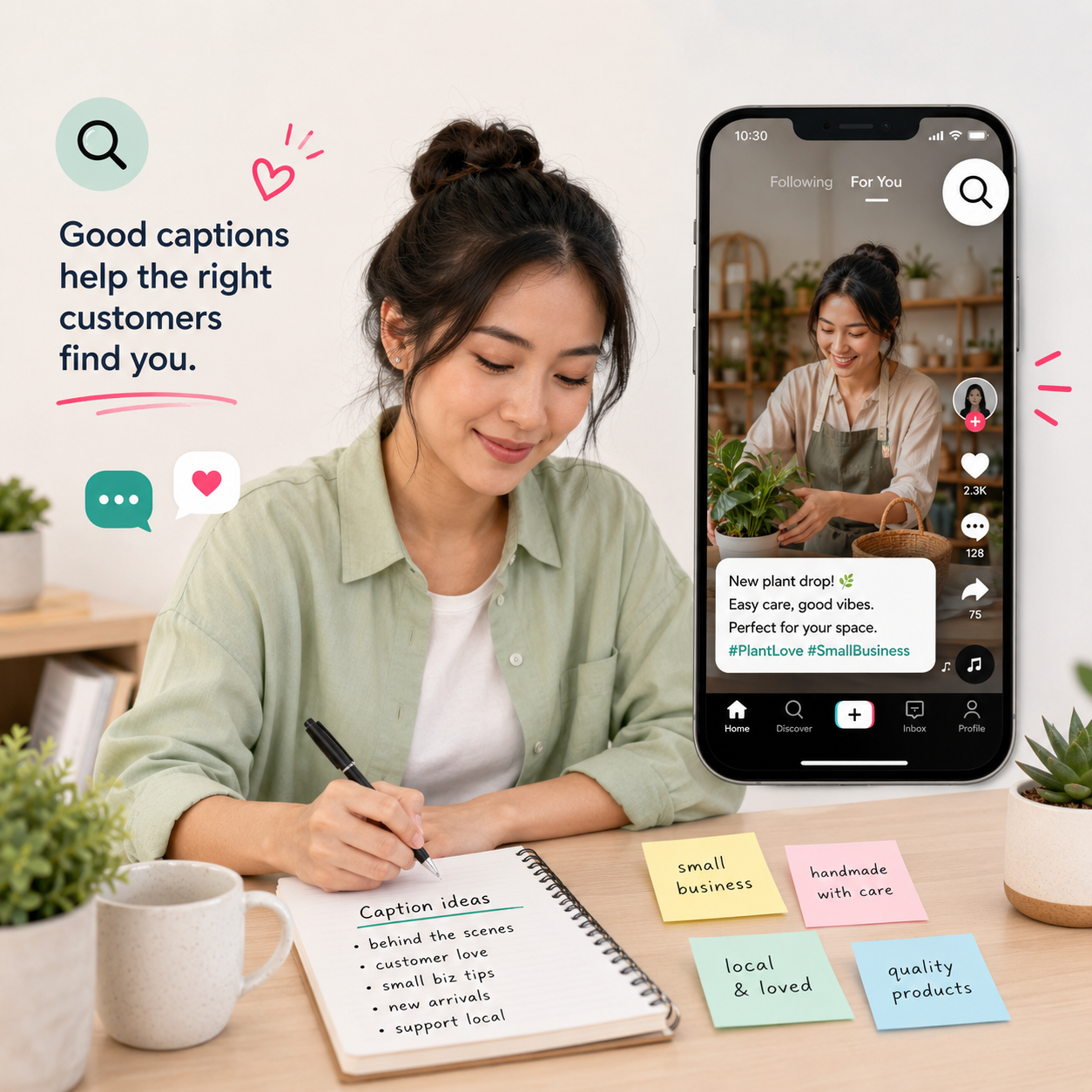
The caption delivers value without selling. It may share a short insight, tip, or reflection that positions your brand as helpful and relevant. There is no strong call to action, except perhaps an invitation to follow or save the post.
This type of post is designed to stop the scroll and make people think, “This speaks to me.” In content planning, awareness posts are essential for growing reach and warming up new audiences before asking them to take action.
Example 2: Engagement Content (Instagram or TikTok – Image Post)
Goal: Encourage interaction and build relationships
The image is designed to invite participation. It could be a question-based visual, a comparison graphic (this vs that), or a carousel-style image that prompts curiosity. The design is intentional—clear, readable, and focused on sparking a response.
The caption asks a direct question or invites the audience to share their opinion, experience, or preference in the comments. The goal isn’t clicks or sales, but conversation.
When engagement content is planned intentionally, it strengthens your community and improves algorithm signals. This makes future posts more visible and keeps your audience actively involved with your brand.
Example 3: Conversion Content (Instagram or TikTok – Image Post)
Goal: Drive action such as clicks, sign-ups, or inquiries
The image highlights a specific benefit, result, or offer. The message is clear and focused, avoiding clutter or mixed signals. Whether it’s a feature highlight, testimonial-style visual, or simple callout, the image immediately communicates value.
The caption reinforces the benefit and clearly explains what to do next—such as visiting a page, learning more, or signing up. The call to action is intentional and aligned with the post’s objective.
In content planning, conversion posts work best when balanced with awareness and engagement content. They feel natural because the audience has already been nurtured through earlier posts.
Avoid Random Posting by Planning with Intention
Random posting usually happens when content is created at the last minute. The result is often inconsistent messaging, unclear calls to action, and disconnected visuals.
Content planning solves this by shifting your mindset from “What should I post today?” to “What does my audience need this week?” With clear goals in place, you’re no longer filling space—you’re building a system.
This approach also makes social media management far less stressful. Instead of scrambling daily, you plan with intention, schedule with confidence, and measure success against goals that actually matter.
Tip #2: Create a Reusable Content Planning Framework
One of the biggest reasons social media feels exhausting is because content is often planned from scratch every time. A reusable content planning framework removes this friction by giving you a repeatable structure that guides what to post, when to post, and how to adapt content across platforms.
Instead of asking “What should I post today?”, you rely on a system that makes planning predictable and scalable.
Using Content Pillars or Themes
Content pillars are the core topics your brand talks about consistently. For example, a digital service brand might define its pillars as:
- Education (tips, tutorials, insights)
- Inspiration (quotes, stories, mindset)
- Product or service highlights
- Behind-the-scenes or process
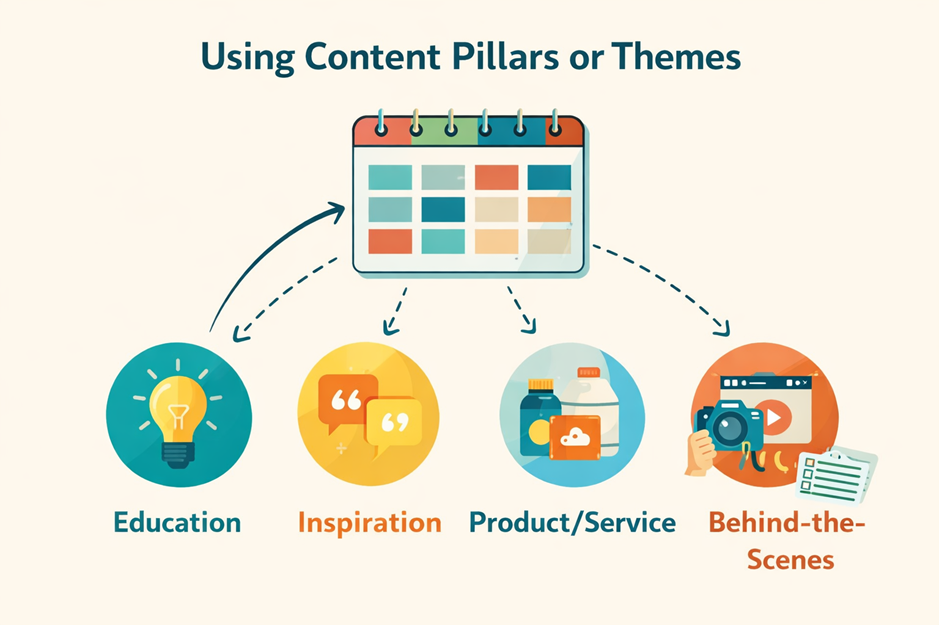
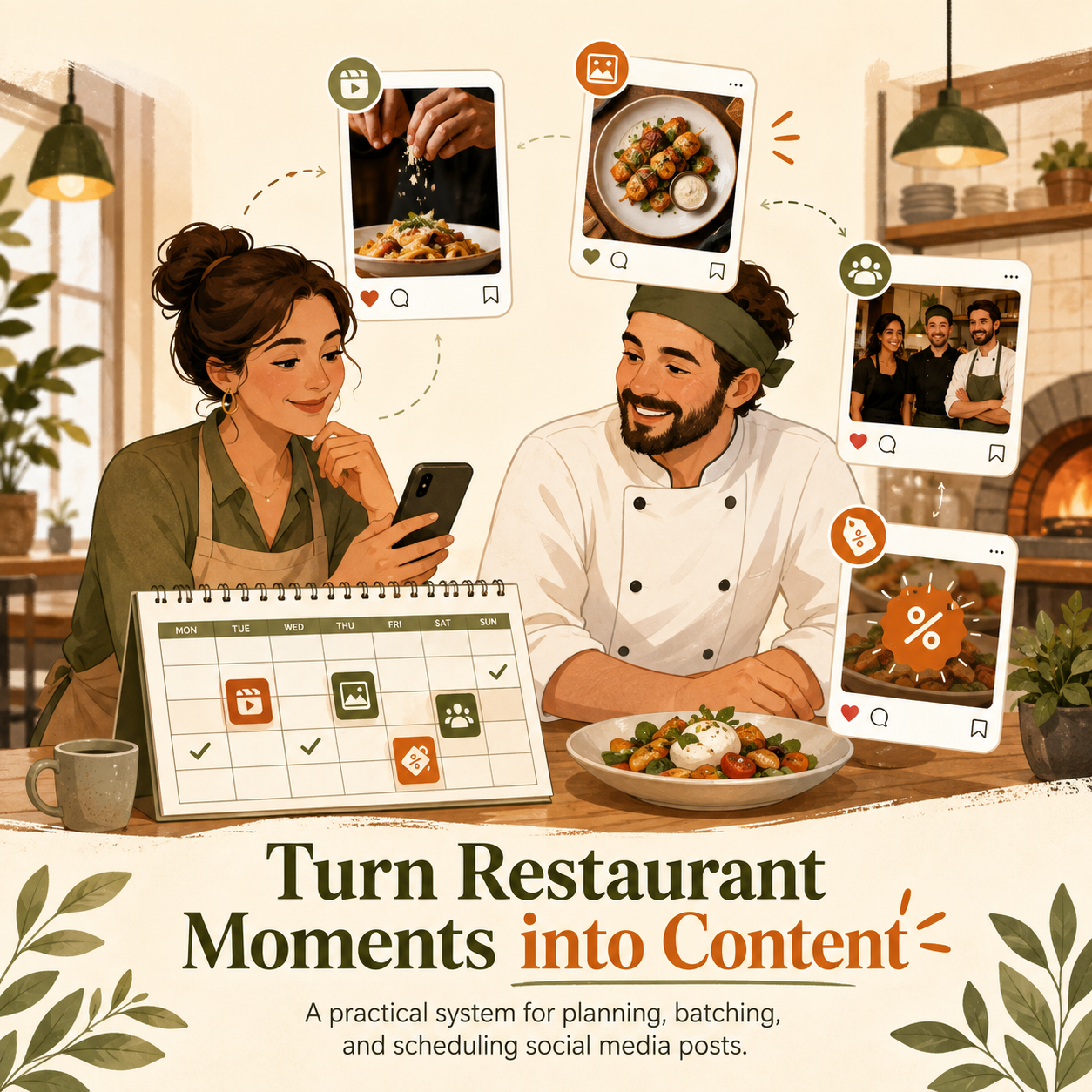
When planning content, you rotate between these pillars. An Instagram image post could explain a simple tip, while a TikTok image or video might show a quick visual example of the same idea. Because the topic is predefined, you spend less time deciding what to say and more time focusing on how to say it.
This approach keeps your feed balanced and prevents over-posting promotional content.
Weekly or Monthly Planning Structure
A reusable framework becomes even more powerful when paired with a time-based structure.
For example, a weekly content plan could look like:
- Monday: Educational post
- Wednesday: Engagement-focused post
- Friday: Conversion or promotional post
Or a monthly structure might include:
- Week 1: Awareness and educational content
- Week 2: Community and engagement content
- Week 3: Case studies or results
- Week 4: Offers or calls to action
By repeating this structure every week or month, content planning becomes a routine instead of a burden. You’re not guessing anymore—you’re filling in a template that already works.
Repurposing Content Across Platforms
A strong content planning framework also considers repurposing from the start.
For instance:
- One educational Instagram carousel can be turned into a TikTok image post or short video
- A long-form caption can be shortened into multiple micro-posts
- A single idea can be reused across Instagram, TikTok, LinkedIn, or Facebook with small format adjustments
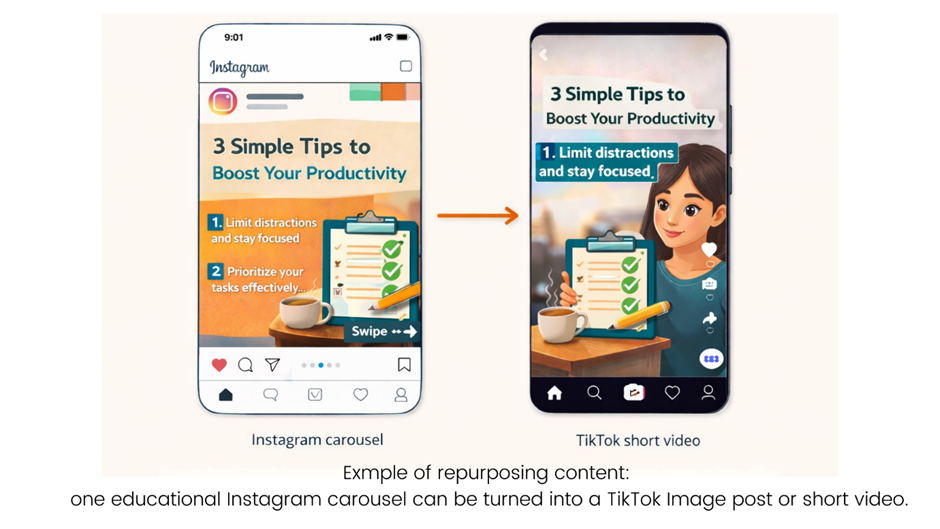
Instead of creating new ideas for each platform, you adapt one core message to multiple channels. This saves time, improves consistency, and ensures your best ideas get maximum exposure.
When content planning includes repurposing as part of the framework, social media management becomes significantly more efficient.
Scheduling Once for Multiple Platforms and Dates
A reusable content planning framework becomes even more powerful when scheduling is done strategically—not repetitively.
For example, an educational post that performs well today can still be relevant two weeks from now. Instead of manually reposting the same content later, you can plan this in advance. With Sociosight, you can schedule one piece of content to be published:
- Across multiple platforms at the same time, and/or
- On multiple future dates—such as today and again two weeks later
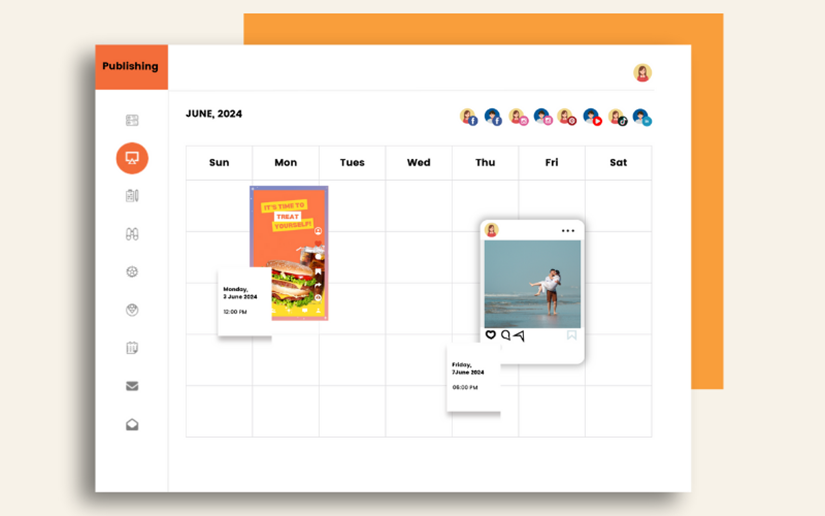
This means you don’t have to remember to repost content manually or recreate the same post later. Once it’s planned and scheduled, the system handles the execution for you.
This approach supports smarter content planning by allowing your best content to work longer without additional effort. It also helps maintain consistency during busy weeks, ensuring your social media presence stays active even when your focus shifts elsewhere.
By scheduling once and letting your plan run automatically, social media management becomes more efficient, predictable, and far less time-consuming.
Simple Content Planning Workflow Example
A reusable content planning framework works best when it follows a clear workflow:
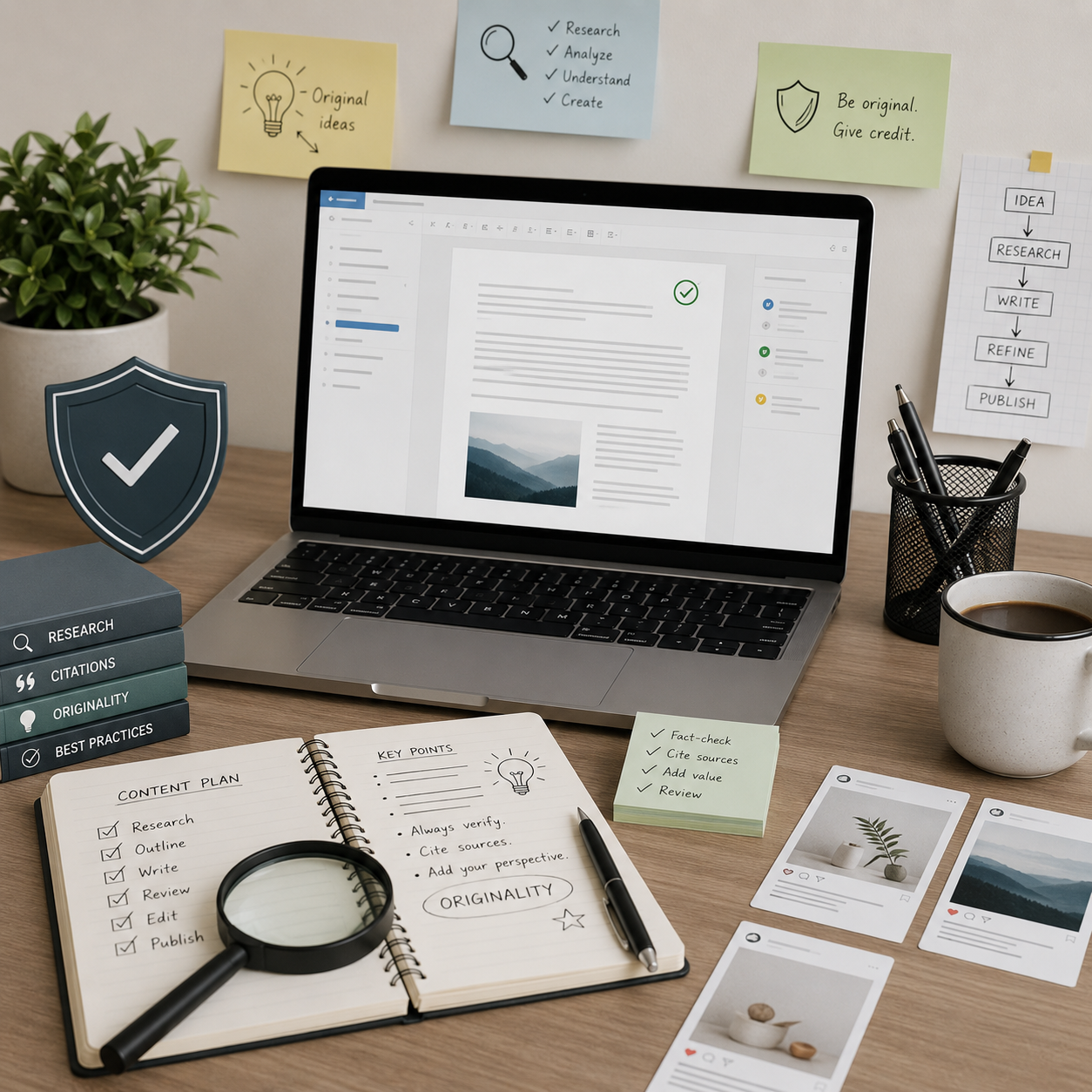
Plan → Schedule → Reuse → Analyze
Plan
Define the content topic, goal, and format in advance—such as an educational post designed to build awareness or an engagement post meant to spark conversation.
Schedule
Using a centralized tool like Sociosight, schedule the content once for multiple platforms and, if relevant, for multiple dates (for example, today and again two weeks later).
Reuse
Repurpose the same core content across platforms or timeframes without recreating it. Adjust the format or caption slightly, but keep the message consistent.
Analyze
Review performance data to see what worked—engagement, reach, or clicks—and use these insights to refine your next content plan.
This simple workflow turns content planning into a repeatable system, helping you manage social media more efficiently while continuously improving results.
Tip #3: Use a Centralized Tool for Content Planning and Scheduling
As your content volume grows, managing social media with spreadsheets, notes, or manual reminders quickly becomes inefficient. While these methods may work at the beginning, they often lead to missed posts, inconsistent timing, duplicated work, and confusion—especially when multiple platforms are involved.
This is where centralized content planning and scheduling makes a meaningful difference.
The Problems with Spreadsheets or Manual Planning
Spreadsheets are static. They can list ideas and dates, but they don’t execute, adapt, or give feedback.
Common issues with manual planning include:
- Forgetting to publish or repost content on time
- Manually copying the same content to different platforms
- No clear visibility of what’s already scheduled
- Difficulty tracking performance alongside planning
Instead of simplifying social media management, manual systems often create more work and mental load.
The Benefits of Having Everything in One Dashboard
A centralized tool brings planning, scheduling, and performance into a single workflow.
With one dashboard, you can:
- See your entire content calendar at a glance
- Schedule posts across multiple platforms from one place
- Reuse and reschedule content without starting over
- Maintain consistency even during busy weeks
This approach reduces decision fatigue and helps teams and solo creators stay organized without relying on memory or constant checking.
Meet Sociosight
Modern social media management tools are designed to support content planning as a system, not just a task. Instead of jumping between tools for ideas, scheduling, and analytics, everything works together in one flow.
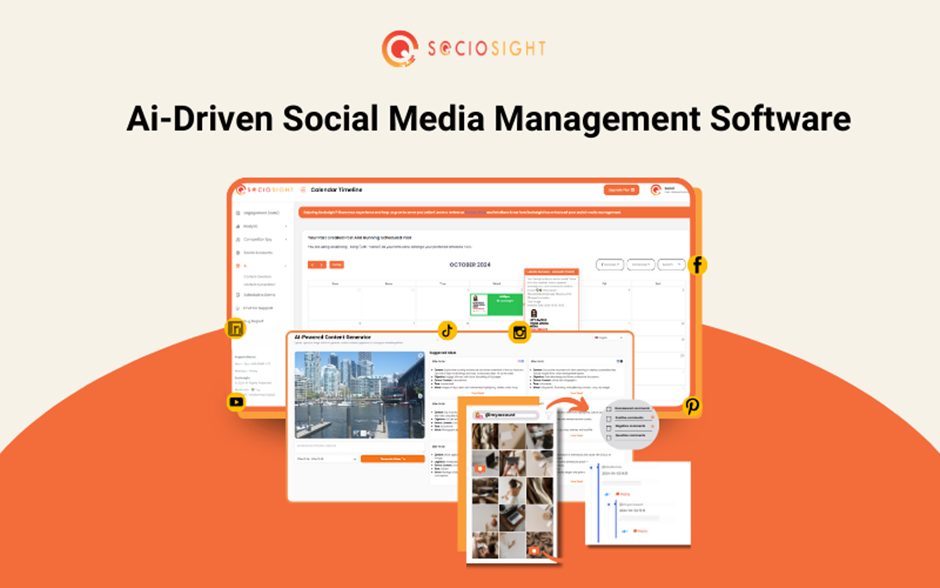
Tools like Sociosight are built to support this centralized approach—helping users plan content in advance, schedule efficiently, and manage multiple platforms without unnecessary complexity. The goal isn’t to post more, but to plan smarter and execute with confidence.
By moving content planning and scheduling into one place, social media management becomes calmer, clearer, and far more sustainable.
Tip #4: Let Data Guide Your Content Planning Decisions
Content planning becomes far more effective when it’s informed by data, not assumptions. While creativity plays an important role in social media, relying solely on intuition often leads to inconsistent results. Tracking performance allows you to understand what truly resonates with your audience and use that insight to plan better content going forward.
Track Engagement and Performance Consistently
Every social media post leaves behind valuable signals—likes, comments, shares, saves, reach, and clicks. These metrics help you see how your audience responds to different topics, formats, and posting times.
When content planning includes regular performance tracking, you can:
- Identify which posts generate the most engagement
- Spot patterns in format (images, carousels, short videos)
- Understand which themes attract attention
This data turns your content calendar into a living strategy rather than a static plan.
Learn from Past Posts Instead of Guessing
One of the biggest advantages of data-driven content planning is the ability to learn from what you’ve already published.
For example:
- If educational posts consistently perform better than promotional ones, you can plan more of them
- If certain visuals or tones generate higher engagement, you can reuse and refine that style
- If specific posting times work better, you can adjust your schedule accordingly
By reviewing past performance, you reduce trial and error and focus your effort where it matters most.
Analyze Competitors to Strengthen Your Content Planning
Data-driven content planning isn’t limited to your own posts. Understanding what works for others in your niche can provide valuable direction—without copying blindly.
With tools like Sociosight, you can analyze your competitors’ post performance to see:
- Which content formats perform best in your industry
- What topics generate high engagement
- How often competitors post and which posts gain traction
Currently, competitor analysis is available for Instagram, with support for other platforms coming soon. This allows you to benchmark your content against similar accounts and identify opportunities to differentiate or improve your strategy.
Plan Future Content Based on What Works
The goal of tracking data—both yours and your competitors’—is not comparison, but improvement.
When insights are fed back into your content planning process, your strategy becomes more focused and effective over time. High-performing topics can be revisited or expanded, while underperforming formats can be adjusted or replaced.
By combining performance analytics and competitor insights in one platform, content planning becomes more informed, strategic, and sustainable.
Tip #5: Plan the Destination, Not Just the Post
One of the most overlooked parts of content planning is what happens after someone sees your post. Many brands focus heavily on visuals and captions, but forget to plan the next step. As a result, posts may get likes or views—but lead nowhere.
Effective content planning doesn’t stop at publishing. It plans the destination.
Why Every Post Should Have a Clear Next Step
Every post should answer one simple question: What should the audience do next?
That next step doesn’t always have to be a sale. It could be:
- Visiting a website or blog article
- Exploring a campaign or offer
- Signing up for something
- Learning more about a topic
When posts lack a clear next step, engagement stays passive. When content planning includes intentional direction, social media becomes a guided journey instead of a dead end.
Using Link in Bio Tools to Support Campaigns
On platforms like Instagram and TikTok, where clickable links are limited, a link in bio becomes a critical part of your content planning strategy.
Instead of changing your bio link every time you launch a campaign, you can use a free link in bio to organize multiple destinations in one place—such as:
- Campaign landing pages
- Blog posts or resources
- Product or service pages
- Sign-up or contact links
By planning your link in bio alongside your content calendar, each post supports a larger campaign instead of standing alone.
Connecting Content Planning with Conversions
When content planning includes both the post and the destination, social media starts to drive real results.
For example:
- Awareness posts guide users to learn more
- Engagement posts warm the audience before action
- Conversion posts lead directly to relevant links
This alignment ensures your content works as a system—moving audiences from attention to action. Content planning isn’t just about what you post. It’s about where you lead people next.
Conclusion: Simplify Social Media by Planning Smarter
Social media doesn’t have to feel overwhelming. When content planning is treated as a system—not a daily task, social media management becomes clearer, calmer, and more effective. Clear goals, reusable frameworks, centralized tools, data-driven insights, and planned destinations work together to turn content into consistent results.
If you’re ready to simplify your workflow, you can sign up for Sociosight for free, try the Standard Plan with a 7-day free trial, or choose the Lifetime Deal—pay once and use it forever.
Start planning smarter and let your content work for you.